

Imagine your car as a patient and its dashboard lights as doctors’ signals. You know that sinking feeling when a mysterious icon pops up on your dash? That little “check engine” light isn’t random – it’s actually your car’s way of calling for help.
Think of it like a nosey friend who won’t shut up until you listen: Your car loves to tell what’s wrong, if you know how to interpret the message. From blinking lights to hidden error codes, modern cars pack advanced self-diagnostic systems.
In this article, we’ll show you exactly how Vehicle Diagnostics translate these clues, so you’re never left guessing what’s under the hood. Your dashboard is packed with clue-giving lights and symbols. Car & Driver sums it up: “dashboard warning lights are how your car communicates with you when something goes wrong”.
In other words, those little icons are your car’s way of sending an SOS. A door ajar or a misfiring engine will light up a symbol. They flash on at startup as a self-test; if one stays lit, it’s a sign: listen up.
For example, an open door might trigger a seatbelt icon, or overheating shows a thermometer symbol. It’s your car’s way of poking you to say, “Hey, something’s off here!” Whenever you see a warning, consider running a quick Vehicle Diagnostics scan – it’s literally your car communicating a problem.
So how do you translate these warning lights into plain English? Enter Vehicle Diagnostics – the process of talking to your car’s brain. Every modern car has an onboard computer (the ECU) watching its vital signs. If something’s wrong, it saves a Diagnostic Trouble Code (DTC) and lights up the dash.
DTCs are like your car’s secret messages (codes like P0420 or C1210) that pinpoint issues. And if you prefer expert help, you can always turn to a trusted local mechanic for the best Vehicle Diagnostics service in Perth.
How Onboard Diagnostics (OBD-II) Works
Since the mid-1990s, cars have a standard system called OBD-II (On-Board Diagnostics). In Australia, OBD-II has been mandatory for vehicles built after 2006. This means most modern cars have a 16-pin port (usually under the driver’s dash) – basically a USB port for your car’s brain. Think of OBD-II as the heart of the vehicle diagnostics system.
Inside, the car’s ECU continuously monitors all major systems. If a sensor reading goes out of range (say too much fuel in the exhaust), it stores a trouble code and often illuminates a warning light.
Think of it like your car constantly checking its own vitals. The great news? Any OBD-II scan tool (even a smartphone dongle) can read those stored codes – no need to guess. This ability to pinpoint faults is essentially what Vehicle Diagnostics is all about.
Decoding Trouble Codes: Your Car’s Secret Language
Plug in a scanner, and your car will “talk” in code – this is the essence of Vehicle Diagnostics. Each code has a letter (P/C/B/U) indicating the system, plus numbers detailing the fault.
Common codes include P0300 (engine misfire detected) or P0455 (large evaporative emission leak – often just a loose fuel cap). For DIYers, understanding codes is central to effective Vehicle Diagnostics. Here are a few examples:
| Code | Meaning | Common Cause |
|---|---|---|
| P0300 | Random/Multiple Cylinder Misfire Detected | Fouled spark plug or ignition issue |
| P0420 | Catalytic System Efficiency Below Threshold | Failing catalytic converter |
| P0171 | System Too Lean (Bank 1) | Faulty O₂ sensor or vacuum leak |
| P0455 | EVAP Leak (Large) | Loose/defective fuel cap |
| C1210 | ABS Pump Motor Overrun (Brake system) | Faulty ABS module or wiring |
These standardized trouble codes are the backbone of any Vehicle Diagnostics system. Even a short list shows how specific diagnostics can be. For example, P0300 is all about engine misfires, whereas P0455 usually means a big fuel vapor leak (tightening the fuel cap often fixes it).
Instead of replacing parts at random, you now have targeted clues. Of course, interpreting codes correctly takes experience – but diagnostics has already trimmed the guesswork to a minimum.
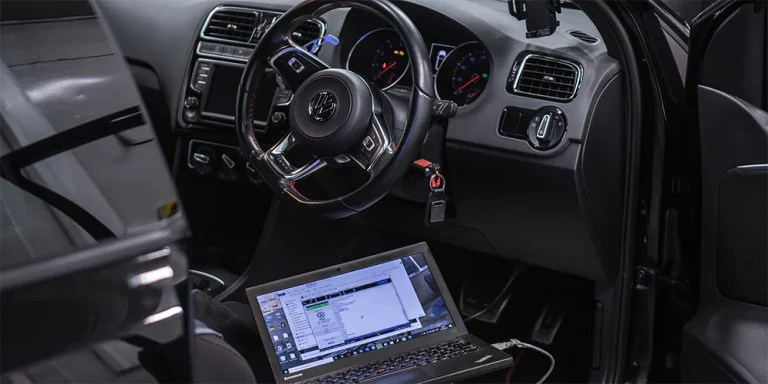
Checking Your Car Yourself: Vehicle Diagnostics Tools & Apps
You can do some of this at home with a simple scan tool. The steps of home Vehicle Diagnostics are:
- Locate the OBD-II port: Usually under the driver’s dash. It’s a 16-pin trapezoid plug. (If you can’t find it, check the owner’s manual.)
- Plug in the scanner/dongle: Attach your code reader or Bluetooth adapter to the port. Turn the ignition on (engine off). The car’s computers will power up.
- Read the codes: Use the scanner’s menu to “Read Codes.” The device will display any stored trouble codes.
- Interpret and fix: Look up each code. Many scanners show a brief description. After you repair the issue, you can clear the code and see if the light goes off.
For example, that dongle pictured above plugs into the OBD-II port and talks to a phone app. It displays error codes and even live engine data (RPM, temps, sensor readings) on your screen. It’s almost like giving your car a check-up at home.
You’ve effectively run a quick Vehicle Diagnostics session on your car. For tech-savvy Perth drivers, these gadgets make DIY diagnostics a breeze. In fact, try searching “Vehicle Diagnostics Perth” online, and you’ll see local experts who can help.
DIY vs. Pro: When Vehicle Diagnostics Are Enough
These tools are handy but have limits. A basic code reader tells you what went wrong, but not always why. If you see a code beyond your skillset, it’s wise to consult a mechanic. Safety codes (brakes, airbags, steering) demand professional attention anyway. Don’t ignore them.
Remember Car & Driver’s advice: a flashing check-engine light often means a severe misfire that could damage the engine – in that case, stop driving and get help. On the flip side, for common issues you might handle the fix yourself (like a loose cap or bad sensor). Many Perth auto shops will even scan your car for free or count it toward your repair bill.
Top shops like TT Performance use advanced diagnostic tools covering all systems – they can pinpoint issues your cheap scanner might miss, saving you time and money. The right Vehicle Diagnostics tools really do save you effort in the long run.
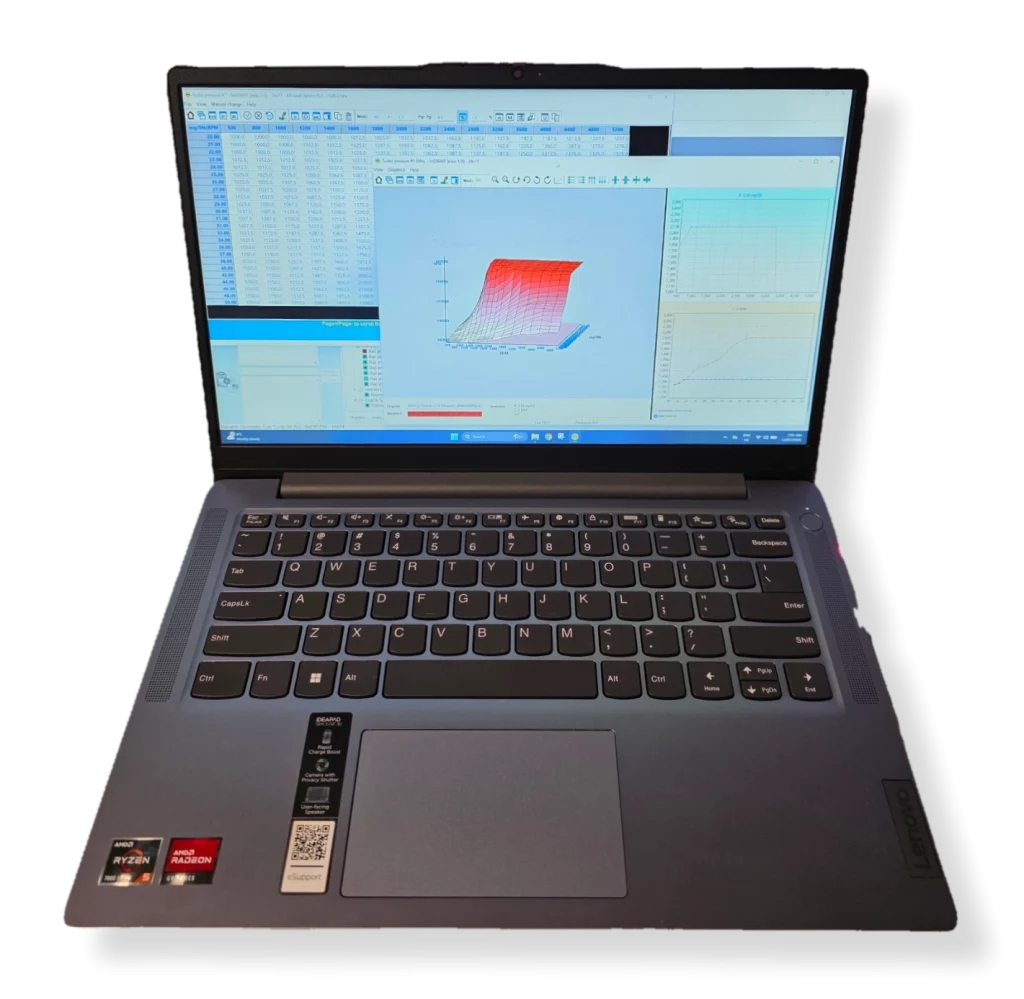
Maintenance Matters: Government Advice & Diagnostics
Regular vehicle maintenance goes hand in hand with smart diagnostics. TransportWA reminds us that “maintaining your vehicle ensures it is safe… Regular maintenance also helps your vehicle run more efficiently, thereby reducing smoky emissions”.
In practice, this means routine checks (brakes, lights, tyres, fluids) along with OBD scans. A well-maintained car not only passes inspections but also prevents breakdowns. It’s the Aussie way: stay on top of your car’s health.
Incorporate diagnostics into your servicing, and you’re following the official advice. Vehicle Diagnostics checks complement the government’s checklist and help keep your car roadworthy.
The Future: Cars That Talk Even Smarter
Diagnostics are only getting more connected. Many new cars can send warnings to your phone or even directly alert your dealer. Think of it as a “Fitbit for your car” – it might schedule your next service or flash a warning on your smartwatch.
Bluetooth OBD-II adapters already let Perth drivers run scans on the go. Mechanics use Wi-Fi and cloud tools for instant fixes. Fleet managers already receive predictive alerts on maintenance needs. The trend is clear: Vehicle Diagnostics is moving from the garage to the palm of your hand. Watch for new gadgets that bring more data from your car to your device.
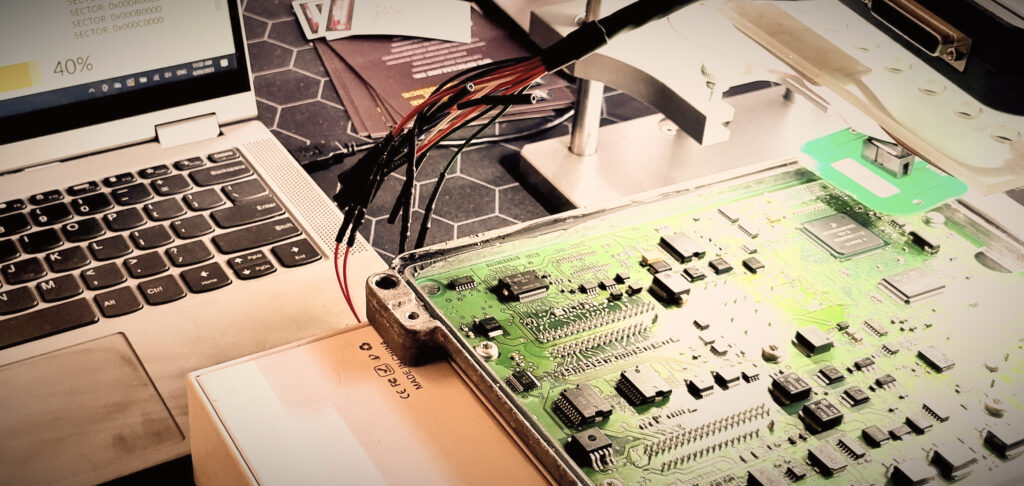
Wrap-up
Your car is literally talking to you through those lights and codes. By keeping up with timely Vehicle Diagnostics and regular maintenance, you head off many problems early. So next time a warning appears, run a quick Vehicle Diagnostics scan, or give your mechanic a buzz – you’ll stay on the road with confidence.
A quick diagnostics scan is like giving your car a clean bill of health. Keep the communication channels open with your car, and your ride will reward you with reliability and peace of mind. Embrace Vehicle Diagnostics, and drive on knowing you’re one step ahead of trouble. Drive safe out there, Perth! Your car’s looking out for you – make sure you listen back.
Frequently Asked Questions (FAQs)
How often should I get vehicle diagnostics done?
Ideally, you should run a Vehicle Diagnostics check every 6–12 months or whenever a warning light appears. Regular scans can catch hidden issues early, especially before long drives or after buying a used car.
Can vehicle diagnostics detect all car problems?
Not all of them. While Vehicle Diagnostics can pinpoint most engine, transmission, and emissions issues, it may not catch mechanical wear like suspension or brake pad damage. It’s best to pair diagnostics with physical inspections during servicing.
Is it safe to clear fault codes yourself?
Clearing codes is safe only after fixing the issue. If you just erase the code, the light might turn off temporarily but will come back when the fault recurs. Think of it like turning off the fire alarm without putting out the fire — problem’s still there.
What’s the difference between OBD-I and OBD-II?
OBD-I was used in older cars (pre-1996) and had limited data access. OBD-II, standard in Australian vehicles post-2006, provides detailed real-time data and universal code formats, making Vehicle Diagnostics much more precise and efficient.
Ready For A Properly Tested Tune?
Every calibration is developed around your vehicle using controlled dyno load, live data logging and map-level validation before handover.
