

Picture, you’re on a crisp Western Aussie morning, your 4WD loaded with camping gear and towing a hefty caravan. The engine hums but as you hit the uphill stretch the tailgate starts to sag and the gearbox whines. I’ve been there before I had my LandCruiser tuned, pulling a trailer felt like rowing a dinghy up a waterfall.
Tuning your 4WD for towing can turn that struggle into a spirited, confident climb. It’s like giving your rig a big boost of espresso before a marathon – suddenly you’ve got the power and poise you need.
Tuning for towing isn’t just about raw speed or bragging-rights horsepower. It’s about remapping your engine and tweaking components so your truck happily hauls heavy loads without overheating, hunting for gears, or blowing its lunch (metaphorically speaking).
When you tow, your 4WD is pulling a mini-house or boat behind it. That extra mass throws a curveball at everything: fuel economy plummets, brakes wear faster, and your once-spry engine can feel flat and stressed. With the right tune, however, you re-balance that equation. You get stronger low-end torque so your truck surges ahead at city speeds and countryside cruise without a hiccup.
You also often unlock a touch more fuel efficiency – smart fueling maps can make the extra drag a bit kinder on the tank. It’s like adjusting your GPS on a long trip: you optimize the route (engine) for tough terrain (the tow) so nothing catches you by surprise.
Ever seen those buff 4WDs in Perth pulling giant caravans or horse trailers up through the hills? Many of the lucky owners behind the wheel didn’t get that grunt by accident – they talked to local 4WD tuning experts in Perth who know how to dial in your engine and gearbox for the job. I’m talking about professional shops with rolling road (dyno) test benches, fine-tuning the electronic brain (ECU/TCU) of your ute or Cruiser.
They can custom-map your throttle response, turbo boost and shift points so that under load you’re always in the sweet spot of the power band. For example, a dedicated towing tune often boosts torque by 30–40% in the critical low-RPM range, exactly where a heavy trailer needs it and can even improve fuel use by 10% or more (a nice bonus on long outback runs).
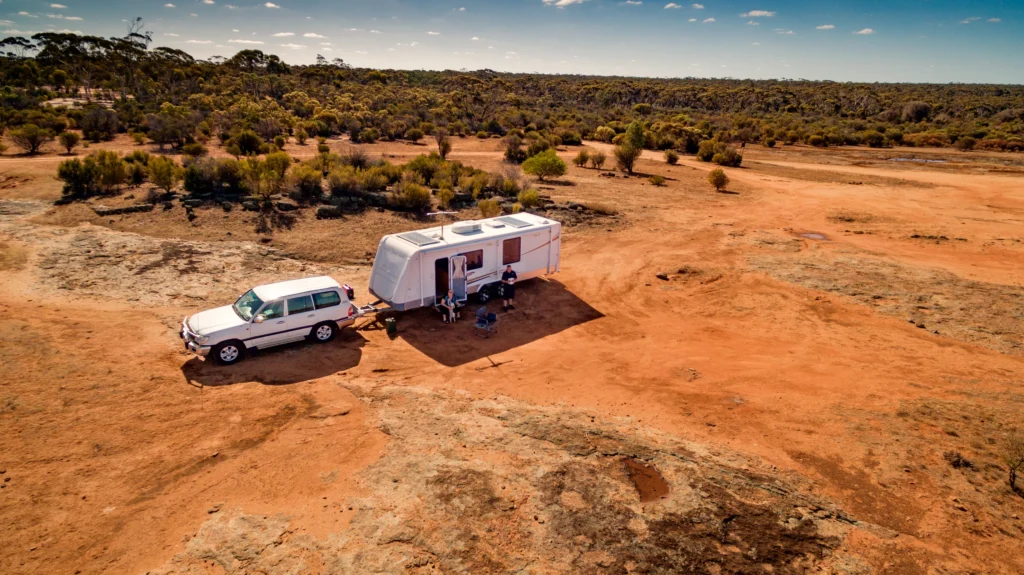
Once you let that tuned SUV loose on a winding Queensland hill or the Great Eastern Highway, the difference is night and day: you feel more pull with every throttle stab and far less gear “hunting” in auto transmissions.
Drivetrain and Gearbox Upgrades
It’s not just the engine that matters. Think of your transmission and driveline as teammates on this adventure. Towing tunes often include tweaks to the automatic gearbox, like bumping up the shift RPM or altering torque-converter lock-up so the truck hangs on to gears longer under heavy pull.
This keeps revs from sagging too low on a climb – say goodbye to the “lag and lurch” feeling when you ask for power. Even manual drivers benefit: some tuners can fit a higher-flow clutch or beefier flywheel to handle the extra strain. Beyond that, simple changes like adding an auxiliary transmission oil cooler or beefier axles (if the trailer’s really big) help your drivetrain last longer.
Here are a few common tech tweaks and how they help your towing rig:
| Upgrade / Tune | Benefit for Towing |
|---|---|
| ECU Engine Remap (Tuning) | Boosts low-end torque (easier hills), smoother throttle, and often better fuel economy when under load. |
| Transmission Reprogramming | Keeps RPM higher in the powerband, reduces gear hunting, and optimizes torque-converter lock-up for heavy pulling. |
| Heavy-Duty Radiator & Oil Cooler | Lowers engine/transmission temperatures on long hauls or in hot outback conditions, preventing overheating. |
| Upgraded Suspension (Springs/Airbags) | Maintains correct ride height and handling when the trailer’s tongue weight pushes down on the rear, improving stability. |
| Brake Enhancement (pads, Tow Brake Controller) | Improves stopping power and control with a big load. For example, adding an electronic trailer brake (like a Tow-Pro) gives much better trailer control downhill. |
| Certified GVM/GCM Upgrade | Legally raises your vehicle’s rated carrying and towing capacities (so you can haul more weight within the law). |
(I’ve been through most of these upgrades – I even threw in a dual electric brake controller for my boat, and wow, it felt like my rig was on rails when we hit the WA hills.)
Suspension, Chassis and Heavy Gear
Your 4WD’s suspension and chassis soak up all that trailer force, so think of upgrades like reinforcement, not bragging. High-quality leaf springs, or adding an airbag kit in the rear, will level out your truck under load so you don’t nose up steeply. A level rig is not only more confident on corners, it keeps your wheel alignment in spec (avoiding funny tyre wear).
A well-tuned suspension also means your stereo won’t sound so rattly at 110km/h with a camper tongue weight on the towbar. Don’t forget the tires and brakes, big tyres with good grip and well-maintained pads make a serious difference when hauling. It’s worth checking tire pressures before each trip (a few psi up in the rear usually helps).
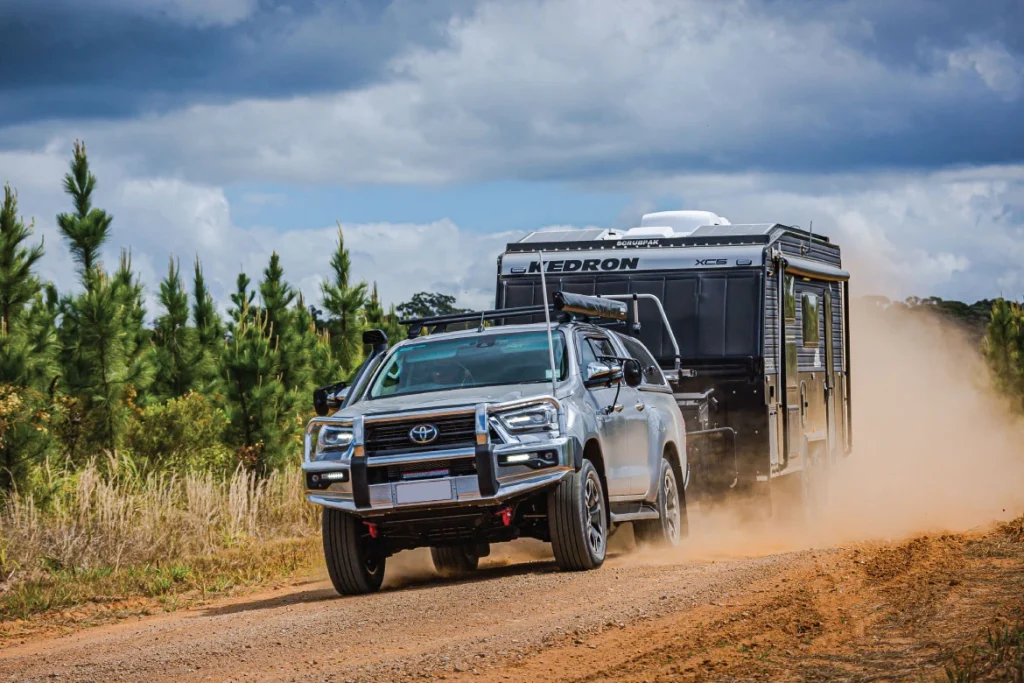
For safety and peace of mind, always double-check your tow hitch setup. Using a weight-distributing hitch can transform how a trailer feels: it spreads the load so your steering remains light and your brake bias isn’t all going to the rear. It’s like wearing the right backpack on a long hike, if it fits well, you barely feel the extra weight.
If you haven’t already, consider getting your setup weighed at a public weighbridge. That way you know exactly how heavy the caravan + all water/jerry cans / gear really is. (As a rule of thumb, the WA Road Safety Commission’s official towing guide even suggests adding about 200kg onto your truck’s listed weight to account for your stuff.)
On the Road: Safety and Legal Notes
Even with all the upgrades, your best defense is good driving. Remember that Western Australia caps towing speeds at 100km/h and wants you trailing a safe distance behind big rigs on highways. You should never ride with friends or kids in the trailer, and make sure every load is well-secured (loose furniture flying off a tray is a real hazard).
Check that the trailer lights and brakes are connected properly each trip. It sounds boring, but a solid pre-drive checklist (brake check, light check, hitch connection check) pays off every time.
Legally, you can only tow up to the limits set by your vehicle manufacturer and any modifications on paper (like if you did a GVM upgrade). If you do get a certified GVM upgrade, be aware it might affect warranties or insurance unless done through approved channels.
All that sounds like a legal minefield, but it’s mostly just common sense: know your numbers. Our advice? Read the official WA towing guidelines for the full lowdown. For example, it’s good to remember that if you upgrade your GVM without also upgrading the Gross Combination Mass (GCM), you might actually reduce how much you can tow when fully loaded. In other words, always stay within those stamped weight limits, or go through the proper upgrade process.
Getting It Done: DIY or Professional?
Look, you can fiddle with suspension or buy an aftermarket chip yourself, but tuning is not a one-size-fits-all fix. Every engine is a bit different, and a healthy tow setup requires balance. I highly recommend talking to a qualified tuner – someone who actually dyno-tests your vehicle.
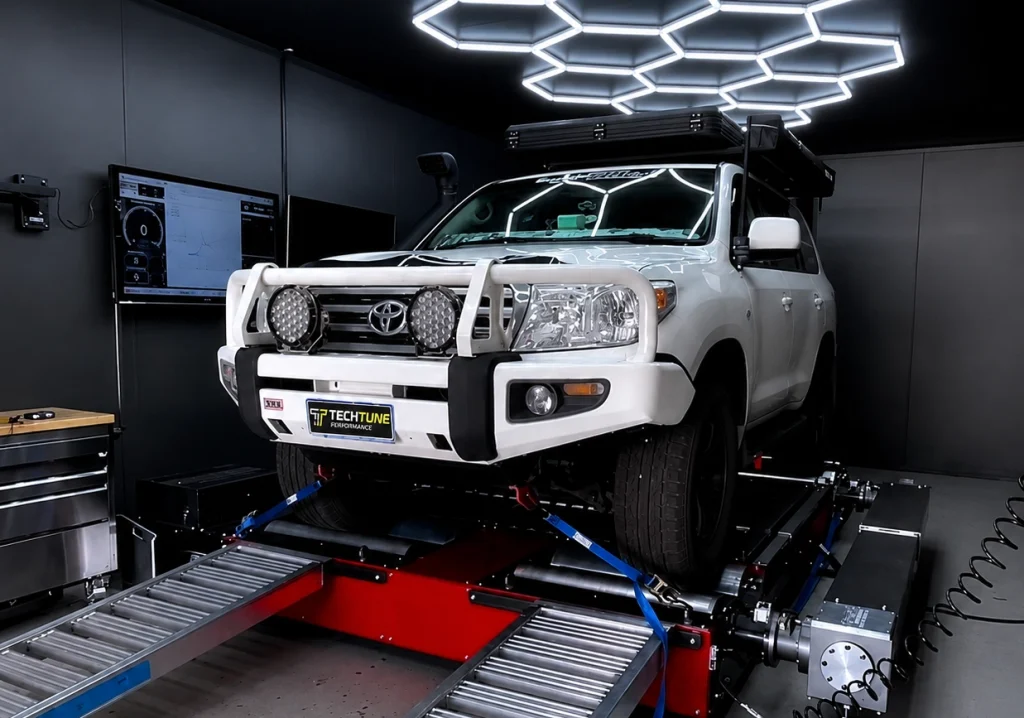
These specialists have seen it all: they’ll know if your Hilux needs an airbag up back or if your LandCruiser’s cooling fan needs shimming. They can tailor a tune to exactly how you drive. Maybe you mostly haul short trips, or maybe you’re planning a big Kimberley adventure – a good tuner will ask these questions and calibrate your truck accordingly.
That said, it’s still wise to do your homework. Read up on forums, ask fellow drivers about their builds (especially other diesel owners, since diesel tunes dominate the Australian towing scene). Keep your 4WD well-serviced (clean air filter, fresh oil, inspect brake linings often).
Think of tuning as the last key stroke: if your car is due for service and you’ve been pushing it hard, a tune can make it feel brand-new. But a tune won’t fix a tired clutch or a worn shock absorber. So first, fix the basics; then tweak the electronics and hardware.
Conclusion and Next Steps
Tuning your 4WD for towing is like packing a solid lunch for a long road trip – it just makes the journey smoother. By optimizing engine maps, gearing and chassis components, you’ll get stronger pull, better fuel use, and far more confidence on Aussie highways and outback tracks. And remember an informed driver is a safe driver. Always respect your rated capacities and remember that a well-prepared trip starts before you even hit the ignition.
So what’s next? If I were you, I’d book a chat (or a dyno day) with a trusted tuner in Perth, double-check your load weights, and maybe write a checklist in the glovebox.
Trust me, when the rubber meets the corrugated gravel and you feel your rig gulp down a hill without strain, you’ll be glad you took the time to get that tune and upgrades sorted.
Ready to transform your towing experience? Reach out to a local 4WD specialist, share this guide with a mate who’s talking about big trips, and don’t hesitate to ask questions below – we love hearing your trail stories. Safe travels and happy towing!
FAQ
A towing tune is a custom adjustment to your vehicle’s ECU/TCU to improve low-RPM torque and optimize gear shifts for heavy loads. It helps your 4WD pull trailers more smoothly and efficiently. A well-done towing tune can actually improve fuel economy under load by reducing engine strain. However, aggressive driving with the added power can still increase fuel use. Yes, if done by a qualified and reputable tuner who stays within safe limits. Poor tuning can cause engine stress, so always choose an experienced professional and check warranty implications. If you regularly tow near your vehicle’s limit, upgrades can improve safety, comfort, and handling. For occasional light towing, smaller upgrades like better shocks or a weight-distribution hitch may be enough. Look for experienced shops with strong reviews and proper equipment like a dyno. A good tuner will ask about your towing setup and provide clear explanations and results. A towing tune boosts low-end torque for pulling power and better load control. A performance tune focuses more on overall speed and high-end horsepower.What exactly is a towing tune?
Will tuning hurt my fuel economy?
Is it safe to tune my 4WD?
Do I really need suspension or GVM upgrades?
How do I choose the right tuning shop in Perth?
What’s the difference between towing and performance tunes?
Ready For A Properly Tested Tune?
Every calibration is developed around your vehicle using controlled dyno load, live data logging and map-level validation before handover.
