
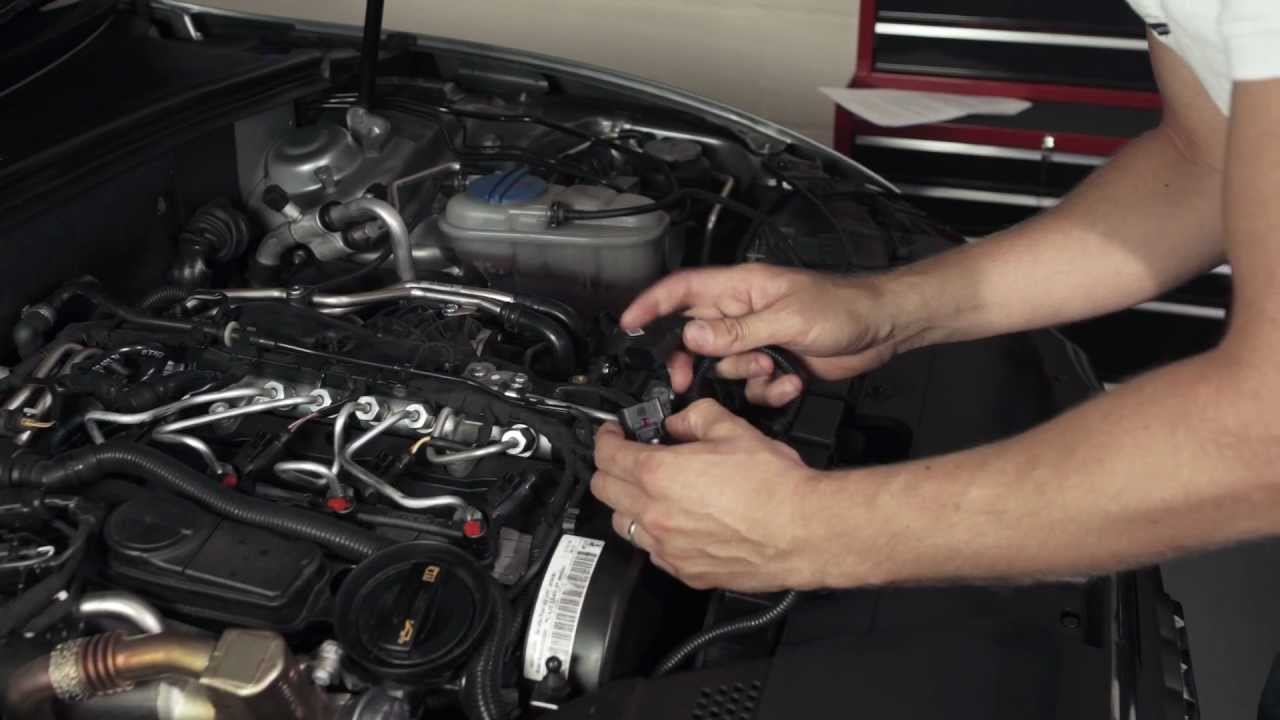
Ever daydreamed about giving your diesel engine a secret nitro boost while still drinking less fuel? You’re not alone. Picture cruising down a Perth highway, a rugged turbo-diesel beneath you, feeling like you could overtake traffic with a wink. That’s the promise of TDI tuning – a pocket-sized device (or “piggyback” module) that plugs into your engine’s sensors and alters the factory settings.
The result? Often bigger horsepower and torque, with the potential bonus of better fuel economy if you drive smoothly. It sounds almost too good to be true, but diesel tuning has become a genuine trend among Aussie drivers looking for more grunt without dropping serious coin on a full engine rebuild. Let’s unpack how these tweaks work under the hood – and what real drivers are actually seeing in the tank and on the tach.
What Is TDI Tuning, Anyway?
Think of TDI (Turbocharged Direct Injection) tuning as a mild, reversible performance upgrade for your diesel. In simple terms, it intercepts and tweaks sensor signals – like boost pressure or injection timing – before the engine’s computer (ECU) sees them.
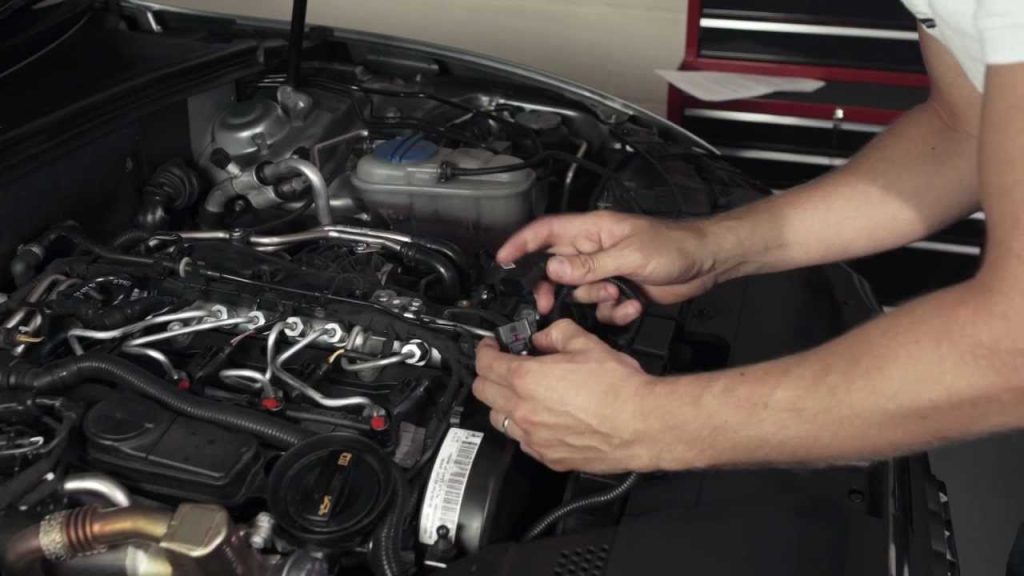
It’s sort of like whispering a little encouragement into your engine’s ear: “Yes, more fuel and boost now, go for it!” The ECU then obeys these modified commands and unleashes extra power and torque. Importantly, because the tuning box sits between the engine and ECU, it’s traceless – remove it and your car reverts to stock programming.
These boxes are often marketed as plug-and-play (no permanent remap needed) and come pre-programmed for each engine. There’s usually a range of tunes (sport mode, economy mode, etc.) that you can switch between. The idea is flexibility: you might crank up the power when towing or overtaking, then dial it back down for daily city driving or highway cruising to save fuel.
Power Gains: More Muscle Under the Hood
So, what kind of kick can you expect? Even moderate diesel tunes can feel dramatic. Many owners report surging low-end torque – that’s the grunt off-the-line or when you kick down in highway passing. In practical terms, that often translates to 20-40% extra horsepower and torque on many TDI engines.
For example, a stock VW Jetta 1.9 TDI (113 hp, 285 Nm torque) can jump to roughly 150–160 hp and nearly 400 Nm with a good tune (that’s a ~40% bump!). The difference is especially noticeable in heavier vehicles or uphill drives, where every extra Newton-meter of torque makes the engine feel more eager.
- Mid-range punch: TDI tunes usually light up the mid-range RPM band. This means better acceleration without having to constantly rev to the red line.
- On-demand boost: Most boxes offer modes. One might max out the boost for track days or towing, while another emphasizes smooth gains for everyday traffic.
- No permanent changes: Because it’s a piggyback, your warranty isn’t rewired (though it’s good to keep receipts and remove the box during dealer visits if needed).
It’s like upgrading from a kangaroo to a Cassowary in power: you still have the same reliable diesel engine, but it suddenly feels much more muscular. And because the hardware isn’t changed (no new turbo or injectors), the install is usually a matter of 30 minutes plugging in a harness – no engine-bay surgery required.
For guidance on vehicle modification approvals in Western Australia (relevant to tuning and compliance), see the Department of Transport’s page: Modify or construct a vehicle — Transport WA.
Fuel Savings: Sip, Don’t Gulp
It may seem counterintuitive, but tuning a diesel can sometimes improve fuel economy – at least if you resist the urge to mash the throttle. Here’s the secret: by cranking up torque, the tuned engine can lug along in a higher gear at lower RPM, which uses less fuel on steady drives. In plain talk, that means if you accelerate gently, the diesel doesn’t have to work as hard to maintain speed.
For example, a tuned engine can let you shift from 3rd to 4th gear sooner, or cruise at motorway speed in 6th gear instead of 5th, because there’s extra pulling power on tap.
The theory is solid: most TDI boxes claim up to ~15-20% better fuel efficiency under conservative driving. Real-word tests back this up to some extent – on one highway loop, an Audi TDI A6 showed about 15% better MPG on the dash with a tuned box engaged.
Of course, the caveat is huge. If you stomp the pedal (and trust us, you might be tempted to with all that extra power!), your fuel economy will nose-dive faster than a roo evading headlights. In other words, the fuel savings are “unlock potentials” that depend on you going easy on the gas.
Key fuel-saving tips with a TDI tune:
- Coast in gear: Use the extra torque to lift off the throttle early and coast, rather than brake to slow down.
- Steady speeds: Highway cruising at a fixed lower RPM is where the economy shines.
- Choose the right mode: Some tuning boxes have a specific “eco” program – use that for long trips.
When driven with a light foot, a tuning box can quietly trim fuel usage. Some owners even say they saved fuel on a daily job after tuning, simply because they weren’t wringing the engine out as much to feel quick.
Real-World Results: Myth or Reality?
The proof is in the driving. Numerous independent reviewers and enthusiasts have put TDI tuning boxes to the test. In many cases, the results match the marketing hype almost too well.
For instance, one long-term test on a VW/Audi 3.0 TDI found the engine pulled noticeably stronger across the board once tuned. On the dyno, torque curves rose across all RPMs. Even the tester’s fuel computer showed a roughly 15% bump in MPG on their usual route.
Of course, not every metric improves by textbook numbers. Enthusiasts on forums often note that the car’s built-in trip computer can be tricked by the tuning box; it might show “better economy” because the ECU is being deceived about injection volumes.
That means your actual tank-to-wheel numbers might not jump as much as the dash suggests – always calculate fuel use the old-fashioned way if you want truth.
Here’s a quick snapshot of typical claims versus real gains (actual results vary by engine and conditions):
| Vehicle | Stock Power (hp) | Tuned Power (hp) | Stock Torque (Nm) | Tuned Torque (Nm) | Fuel Economy Gain |
|---|---|---|---|---|---|
| VW Jetta 1.9 TDI (113hp) | 113 | ~158 (+40%) | 285 | ~399 (+40%) | Up to 15-20% |
| VW Passat 2.0 TDI (138hp) | 138 | ~193 (+40%) | 320 | ~448 (+40%) | Up to 15-20% |
Values are approximate, based on typical tuning box settings and moderate driving style.
Bulletproof? Not exactly. Diesel tuners note that these gains assume you keep driving habits gentle. If your foot goes heavy, expect higher fuel burn even if peak figures stay similar. Also, the actual power figures can depend on the engine’s health, the weather (diesels hate warm days!), and how well the tune was matched to that specific engine.
Installation & Options: Tuning Box vs. Remap
A quick note on your options: a tuning box (piggyback) is different from an ECU remap. Remapping involves rewriting the car’s computer code directly, which can be more invasive and less reversible (and riskier for warranty). The piggyback route (what we’re discussing) simply tricks the ECU on the fly.
Many drivers love boxes for their simplicity: you can DIY-install it in half an hour, and if you sell the car, you can unplug and take the tune to the next one (if compatible). It’s a bit like using external dance chords in music – it adds flair without re-recording the whole track.
That said, a good remap by a respected tuner often squeezes slightly more out of the engine (because it can adjust more parameters). But for most mortals, the box is the easier, safer bet.
Gear-Head Tips: Maximizing the Tune
- Keep the Turbo Happy: After heavy driving with a tune, let the engine idle a minute before switching off. It cools down the turbocharger and prolongs its life.
- Air & Oil: A clean air filter and top-notch engine oil make a big difference. A tuned diesel works harder; good airflow and clean lubrication help it flourish without stress.
- Listen and Watch: If you hear odd knocks or see smoke, switch back to stock. Any engine tune should be smooth and quiet when done right.
- Fish Mode: Some boxes come with a “Fisherman/Economy” setting (low power) to fool authorities. A useful trick in case you get inspected!
Regulations & Safety: Play by the Rules
Before you burn rubber, a word of caution: in Australia, even small engine tweaks are taken seriously by regulators. In fact, any non-standard engine change (like an ECU flash or tune box) can classify as a “complex modification” under vehicle standards.
That means you’re technically supposed to ensure the vehicle still meets all emissions and safety laws. In practice, many drivers quietly fit tunes without fuss, but if you’re worried, check with a certified engineer or your local transport authority.
The bottom line: Tuning is not illegal per se, but it does potentially void emissions compliance if it upsets the exhaust controls. If your diesel goes from “green” to smoking like a freight train, you might breach Environmental Protection regulations. Use reputable tuning kits (with proper testing) and be transparent about any rego inspections.
Conclusion
Getting that extra shove from TDI tuning feels a bit like cheating, but in the best way possible – no nitrous needed, just clever software. When done right, you get a diesel that accelerates eagerly, cruises more calmly, and maybe even sips fuel more frugally. We’ve covered the enthusiast buzz, the numbers, and the caveats. The only big question now is: are you ready to give your drive a makeover?
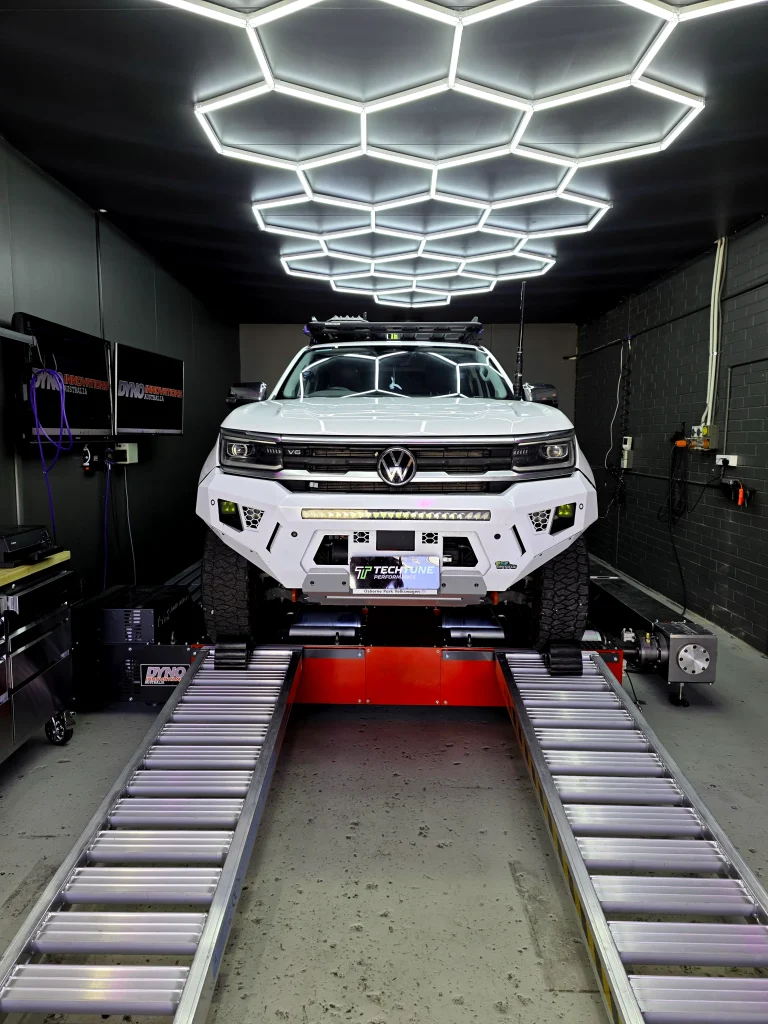
If you’re in Perth and looking to try this out, reach out to a local expert. In fact, the TDI Tuning Expert in perth has over 20 years of experience tweaking Western Australia’s finest diesels. They can talk you through the choices (tuning box vs remap, what suit your ride), and even show before/after dyno charts if you ask nicely.
Remember: start conservatively. Try one power level and see how it feels. Check your fuel use manually. And always enjoy the grin when your car feels like it just had a shot of adrenaline.
Ready to make your diesel come alive? TDI tuning could be the secret sauce to transform your daily drive. Just be safe, go steady, and let the torque do the talking.
FAQs
Q: Will tuning my TDI void the warranty?
A: Possibly. Most manufacturers say any non-approved engine tweaks can void parts of the warranty. However, a piggyback tuning box is technically “traceless” once removed. If you keep the stock ECU map intact and just unplug the box before a dealer visit, they often can’t detect it. Still, check your warranty terms and weigh the risks.
Q: Is it legal to tune my diesel in Australia?
A: There’s no outright ban on tuning, but strict rules apply. Any change that affects emissions or noise can violate Australian Design Rules. Best practice is to use a trusted tune and declare modifications on rego if asked. For common-road use and future sale, staying within street-legal limits is key.
Q: How much can I really save on fuel?
A: It depends. If you drive gently, some owners report 5–15% mpg improvements. Think of it as getting more use of each liter – but only if you resist punching the loud pedal. (As one tuner quipped: “Your smiles per gallon may increase even if actual MPG doesn’t!”)
Q: Will TDI tuning increase emissions?
A: Potentially, yes. Tweaking fuel and boost can raise NOx or particulate output. Good tuners try to balance emissions by not going overboard. On some models, tuned engines clean up better by burning fuel more completely. If you’re concerned, look for tunes that explicitly state compliance with emissions hardware (like keeping DPF and EGR functional).
Q: How much power gain is realistic for my car?
A: It varies by model. A safe guess for many turbodiesels is 20–30% more torque. For example, a 150hp TDI might jump to ~180hp with a basic tune. Exact numbers depend on the engine’s design and condition. Dyno charts from reputable tuners (or test drives) are the best gauge.
Ready For A Properly Tested Tune?
Every calibration is developed around your vehicle using controlled dyno load, live data logging and map-level validation before handover.
