
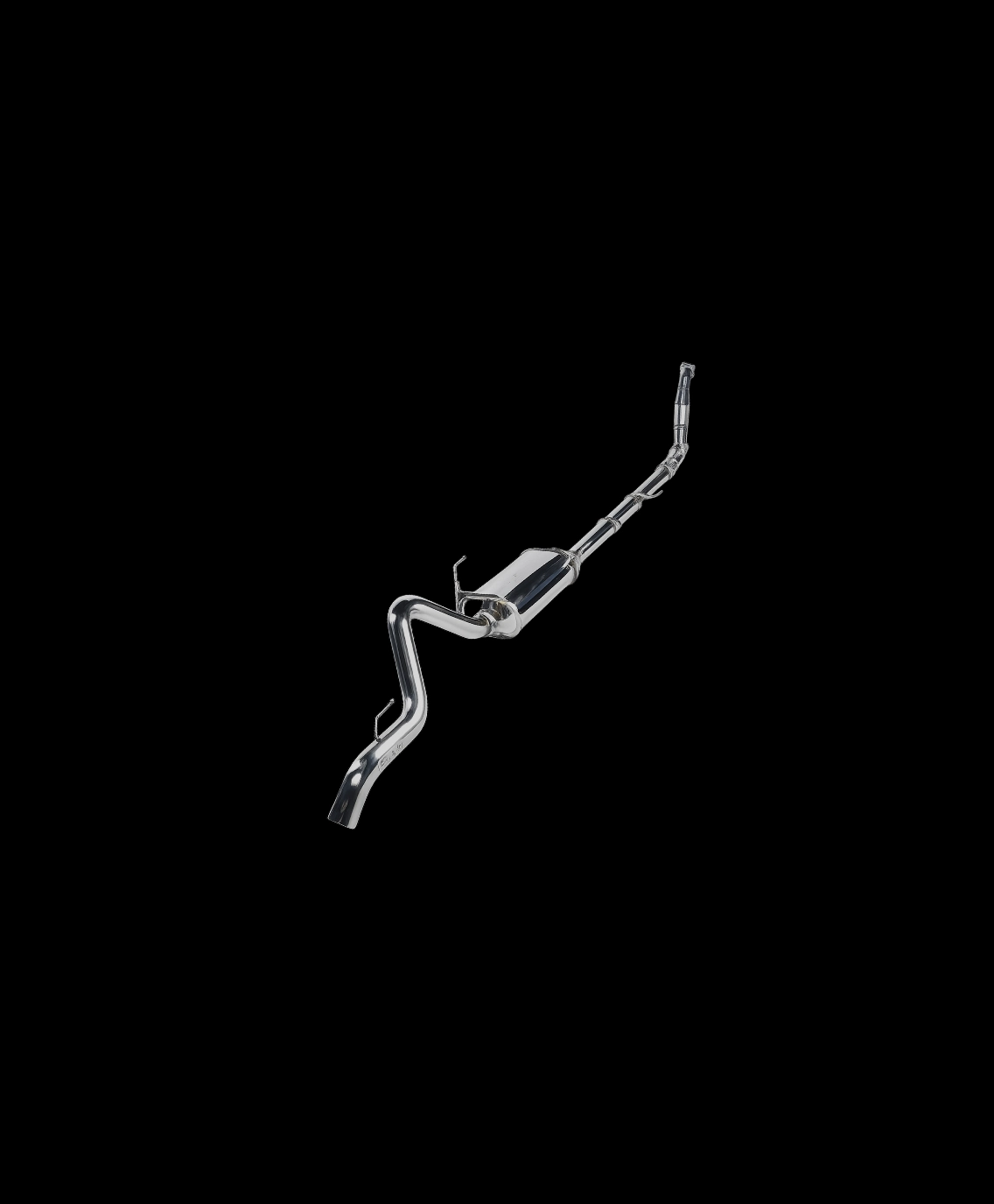
G’day! If you’ve ever wondered what popping a performance exhaust on your ride will really do, you’re in for a treat. I’m still grinning from the day I fitted one to my old Commodore – the throaty rumble and extra zip on the throttle were an instant buzz.
It’s not just about making your car sound like a race car; a quality performance exhaust can actually give your engine some breathing room, squeeze out a bit more horsepower, and even make your tank last a little longer on the open highway.
Rev Up the Power
Think of your stock exhaust like a garden hose with a kink: it gets rid of waste gas but chokes flow. An aftermarket performance system uses smooth, mandrel-bent pipes and straight-through mufflers so exhaust gases flow freely out of the engine. Less backpressure means the motor isn’t working overtime pushing fumes out, so you free up some power.
The result? A noticeable bump in horsepower and torque – just enough to make your throttle tip-in sharper and acceleration more lively. Paired with an ECU tune, you might see a few extra horses on the dyno (often in the single-digit percentage range).
- More Power: Larger pipes and straight-through mufflers let the engine spin up faster. You’ll likely pick up a bit of extra hp (and torque), especially if you’ve tweaked the tune.
- Better Throttle Response: Choke points are gone, so the turbo spools up quicker or the V8 revs up more eagerly. That little lag on kickdown or overtaking shrinks, making passing feel more confidence-inspiring.
- Lightweight Build: High-end systems use thinner stainless steel or even titanium, shedding a few kilos versus the stock exhaust. Less weight is always a bonus for performance and handling.
- Tailored Upgrades: Looking for a perfect fit? Shops in Perth offer custom exhaust performance upgrades built for your specific engine and driving style, squeezing every last drop of performance while keeping it street-legal.
Let It Roar: Sound and Style
The most obvious change from a performance exhaust is the soundtrack. Instead of a polite factory drone, you get a deeper, richer tone that reflects your engine’s character. Every V8, turbo-four or six-cylinder comes alive with a customised growl.
Imagine curling up the motorway in a ute that now rumbles with authority, or pulling away in your hatch with a cheeky snarl. Modern systems are clever: they give you a burly note under load but can be surprisingly tame at idle. Many even use sound valves so you can cruise quietly around town and unleash the beast on the open road.
- Customisable Note: Some exhausts have valve systems or extra resonators. Switch it on for a head-turning roar, or off for a quieter tune on the school run.
- Head-Turning Design: Dual polished tips or black chrome outlets give your car a premium look. A sleek performance exhaust is a statement – the kind that hints at free-flowing internals under the bonnet.
- No Jarring Boom: Gone are the days of ear-splitting mod bombs. A quality exhaust focuses on tone. You’ll hear a deeper, fuller engine note instead of incessant droning. (Just be mindful of neighbours and WA’s noise limits.)
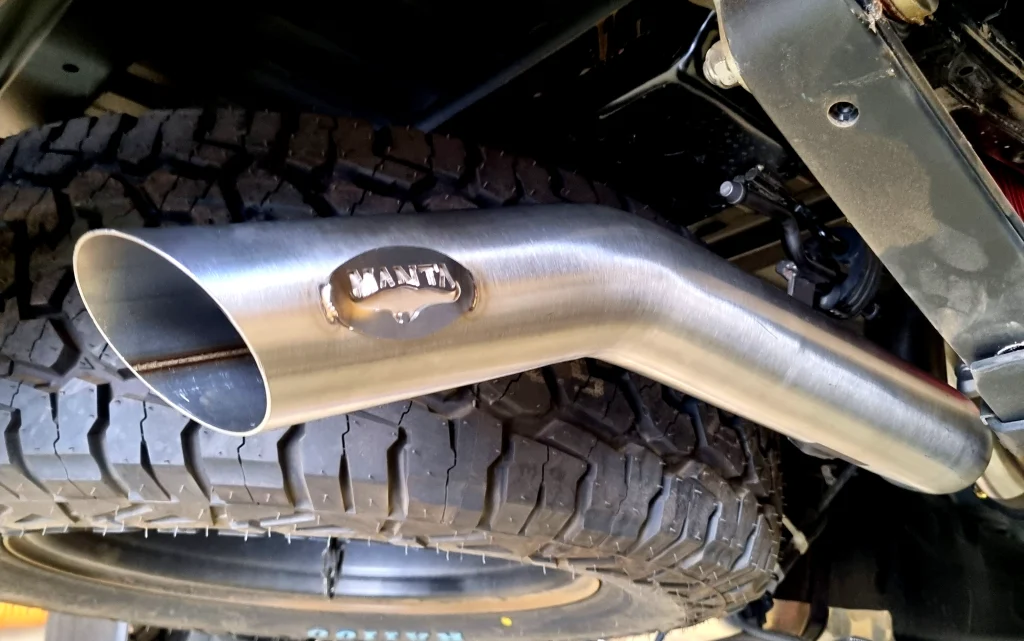
Stretching Your Tank: Efficiency Gains
You might think “Sweet, but does it drink more fuel?” Surprisingly, a free-flowing exhaust can actually help the engine run more smoothly, which in turn can improve fuel economy modestly.
It works like this: if the engine isn’t pushing exhaust against heavy resistance, it wastes less effort on purging fumes. That means, especially during long highway cruises or towing, you might eke out an extra kilometre or two per litre. It’s not a huge jump – don’t expect miracles – but it adds up on long trips.
- Engine Efficiency: Better exhaust flow means fresher air/fuel charge each cycle. Engines love that scavenging effect – it improves combustion and overall efficiency.
- Slimmer MPG Numbers: You might see a few percentage points in mileage improvement during steady driving. Those tiny savings shine on long drives or when towing a caravan across WA.
- Cooler Operation: In some cases, reduced backpressure and smarter pipe routing can lower under-bonnet heat a touch, which helps the engine breathe easier and keeps components happier in our Aussie heat.
Cruising the endless open road – every drop of fuel saved adds up, and a smooth-flowing exhaust can give you that extra range.
Quality & Fit: Material Matters
Not all exhausts are built the same. A proper performance exhaust uses high-grade materials and precise bends to live up to its promise. Look for 304-grade stainless steel (or better); it’ll resist rust far longer than thin mild steel.
Mandrel bending keeps pipe diameter consistent through every curve, preventing choke points. And of course, a custom-fit cat-back or turbo-back system ensures the piping hugs your chassis exactly, avoiding rattles or exhaust leaks.
- Long Life: Top-tier systems often come with multi-year warranties. In salty coastal air or WA dust, a 409 or 304 stainless kit will outlast the vehicle’s ownership compared to budget aluminised steel systems.
- Sound Warranty: Some performance exhaust makers guarantee a particular sound or include a lifetime cover. That peace of mind means you won’t end up chasing rattles or holes in a year or two.
- Professional Fitment: A correctly installed exhaust has the right clearances (from suspension parts, fuel lines, bodywork). It also positions the muffler(s) and catalyst properly so your car stays smooth and clean. The result is a refined tone on startup and no annoying vibrations at cruising speed.

Keep It Legal: Regulations & Compliance
Before you go wild, remember that Western Australia has rules on this stuff. Modified vehicles must still meet national emission and noise standards. In practice, that means keep your catalytic converter intact if your car originally had one, and don’t blow the roof off in decibels. WA caps most modern cars at around 90 dB(A) under test conditions.
The Road Traffic (Vehicles) Regulations 2014 spell out these limits and requirements. Also note: your tailpipe must exit in a legal spot (and usually extend a small distance beyond the body). In short, pick an exhaust that’s ADR-compliant and check with the RAC or DoT if you’re unsure. It’ll save you from a defect notice or a fine.
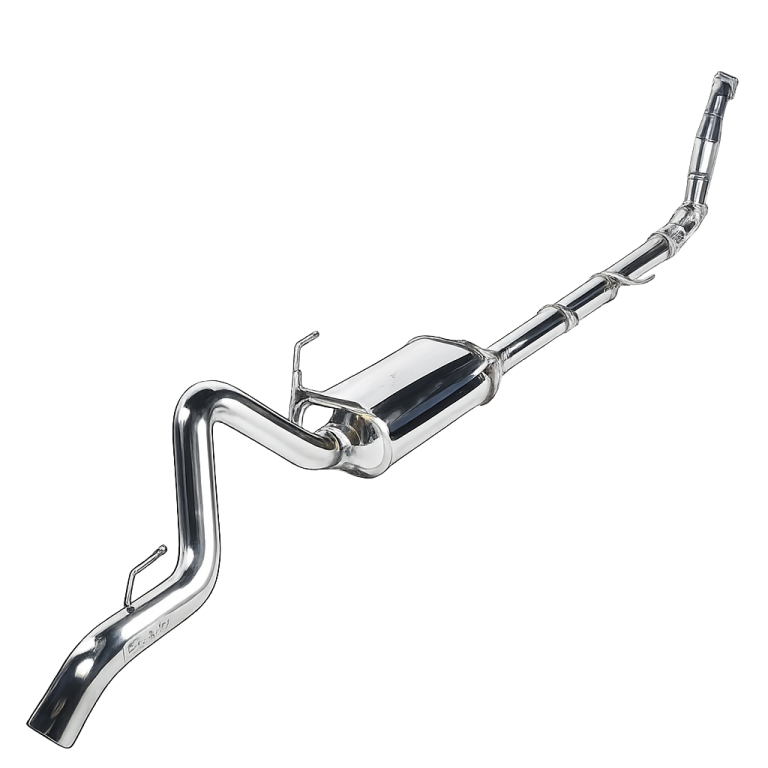
Conclusion & Call to Action
In the end, a performance exhaust is all about balance: extra sportiness without losing civility. You’ll pick up a few more horses under the bonnet, enjoy a soundtrack that matches your style, and squeeze a bit more mileage out of your tank – all while turning heads at the servo.
If you’re itching to upgrade, do it right: chat with local Perth exhaust experts (like our crew) about options that suit your car and budget. A well-chosen exhaust will feel right at home in your driveway and out on Highway 1. Ready to rev it up? Give us a call or drop in at TTPerformance today – we’ll have your engine purring just the way you like.
Frequently Asked Questions
Q: How much horsepower gain can I expect from a performance exhaust?
You won’t double your HP, but expect a modest bump. Most drivers see a small percentage increase in horsepower and torque – often 5–10%, depending on the engine and the rest of the setup. The gains are most noticeable when paired with a tune or other performance mods.
Q: Will a performance exhaust make my car too loud for daily driving?
Not necessarily. High-quality systems are engineered for tone, not just volume. Many produce a deeper, more aggressive note without a constant ear-shattering boom. If you’re concerned about noise, choose a system with a good resonator or sound valve, or ask your installer for a “daily drive” spec.
Q: Will upgrading my exhaust really improve my fuel economy?
Only slightly. The main benefit of a freer-flowing exhaust is better engine efficiency, which can lead to smoother cruising. You might notice a couple of extra kilometres per litre on long highway trips, but don’t expect a dramatic jump. It’s a nice bonus on top of the performance gains.
Q: Are performance exhaust systems legal on the road in WA?
Yes, as long as they meet the rules. The key is compliance: your vehicle must still have all required emissions gear (like catalytic converters), and noise output must stay within the WA legal limit. Always ensure your exhaust is ADR-approved or tuned to local standards so you don’t run afoul of the law.
Ready For A Properly Tested Tune?
Every calibration is developed around your vehicle using controlled dyno load, live data logging and map-level validation before handover.
