

Every diesel vehicle reaches a point where performance feels limited. When your takeoff feels sluggish, the fuel bill starts climbing, and towing feels like a massive struggle, you’ve basically got two ways to fix it. The first path is all about tweaking the software to get things moving better. The other leans toward physical upgrades. Both promise better results, yet each delivers value in different ways.
Usually, a Diesel Tune is what people look at first because you get quick results without tearing the engine apart. At the same time, bolting on better parts gives you that real long-term grunt and durability. Which way you go really just depends on what you’re trying to achieve and what’s in the bank.
Performance enthusiasts often debate this topic endlessly. Some prefer instant torque gains. Plenty of drivers prefer sticking with heavy-duty parts for the extra reliability. Many also explore custom diesel tuning in Perth to achieve a balanced performance upgrade. This is why you’ve got to understand how to balance the two. A smart plan makes sure you aren’t just throwing money at the wrong end of the truck.
Understanding Diesel Tune and Its Immediate Impact
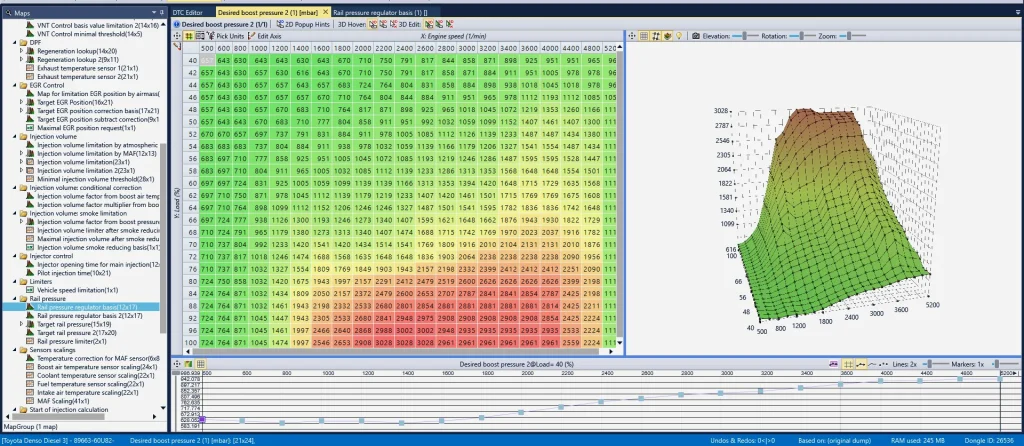
A Diesel Tune adjusts engine software to improve performance and efficiency. It modifies fuel injection timing, boost pressure, and throttle response. This is how you actually bump up the power without ever having to crack the engine open.
Most modern diesel performance tuning is built around ECU remapping. It’s basically just fine-tuning how the engine talks to itself so everything runs smoother. This makes the car feel way more alive when you hit the pedal, and you’ll see fuel efficiency optimization actually get better if you aren’t flooring it constantly.
The real win here is the price tag. When you compare it to buying a bunch of new parts, a tune gives you a serious boost for way less cash. Plus, it’s a lot faster to get sorted in the workshop.
But you’ve got to remember that a tune only works as well as the engine it’s going into. If you’ve got tired parts, they might not handle the extra pressure. That’s why a solid engine diagnostics check is a must before you change anything.
Mechanical Upgrades: Strength, Durability, and Long-Term Gains
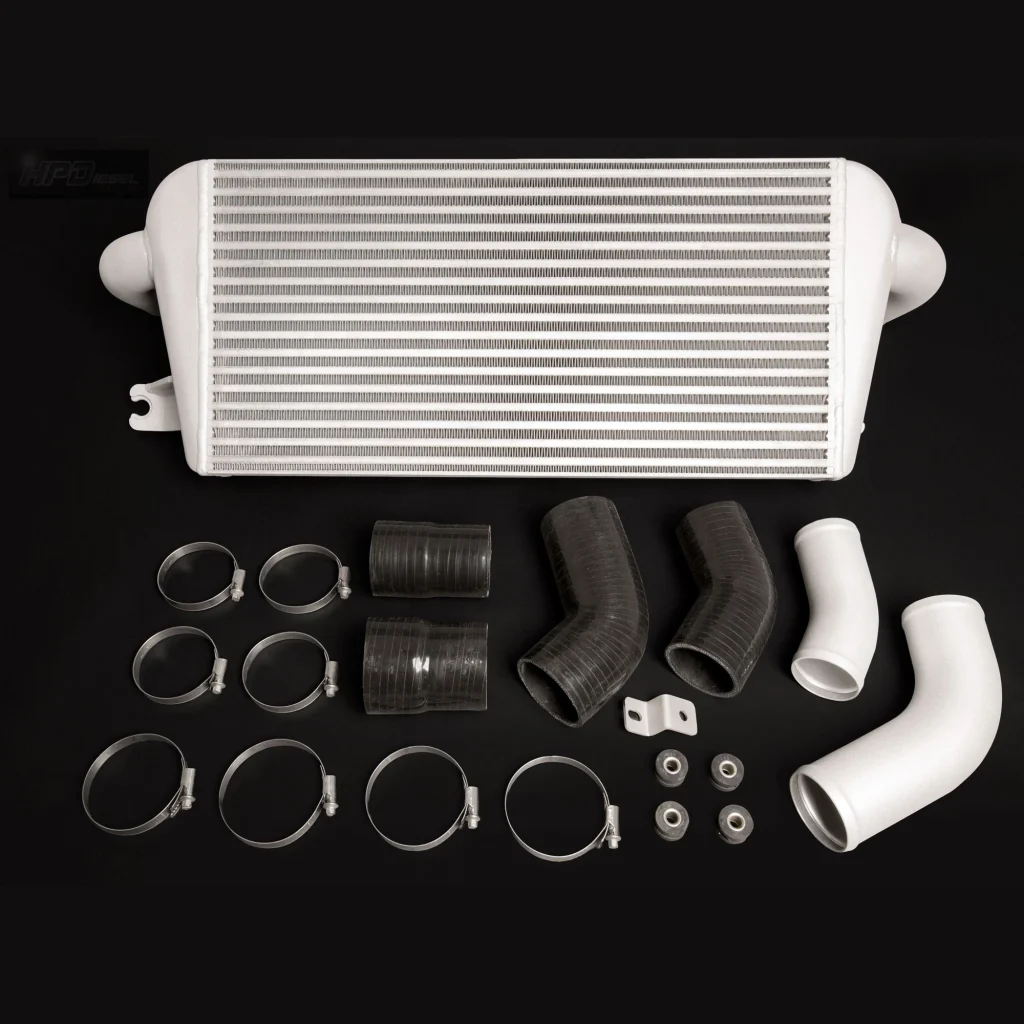
Doing mechanical work is about swapping out the actual physical parts. We’re talking turbocharger upgrades, better exhausts, or even toughening up the internals. Unlike a software tweak, these moves actually change the physical build of the motor.
Stronger parts handle higher stress levels effectively. For example, upgraded turbos increase airflow significantly. As a result, engines produce more power safely over time. Similarly, improved exhaust systems enhance airflow and reduce back pressure.
Although mechanical upgrades require higher investment, they offer durability. Long-term reliability improves, especially under heavy loads. Vehicles used for towing or commercial work benefit greatly.
It definitely takes more time and a lot more skill to get these parts in. The bill is going to be higher for both the parts and the labor, but the tradeoff is performance that stays consistent and a motor that doesn’t wear out as fast.
Diesel Tune vs Mechanical Upgrades
Choosing between the two options becomes easier with a direct comparison. Each approach serves different performance goals.
| Feature | Diesel Tune | Mechanical Upgrades |
| Cost | Lower initial cost | Higher upfront investment |
| Installation | Quick and simple | Time-consuming |
| Performance Gain | Immediate boost | Gradual but stronger |
| Durability | Depends on stock parts | High durability |
| Flexibility | Easy adjustments | Limited once installed |
A Diesel Tune works best for quick performance improvement. On the other hand, mechanical upgrades deliver sustained power. Therefore, combining both often produces optimal results.
When Diesel Tune Should Come First
Certain situations clearly favour a Diesel Tune first. Budget constraints often drive this decision. A tune provides noticeable gains without heavy spending.
Vehicles in good mechanical condition respond well to tuning. If the parts are in good shape, the extra stress isn’t going to be an issue. Also, for someone just driving to work every day, you’ll really notice the better fuel efficiency optimisation.
Another advantage includes reversibility. Software adjustments can be modified easily. Therefore, flexibility remains high for future changes.
However, tuning alone cannot fix worn-out parts. Ignoring mechanical issues may lead to long-term damage. Refer to this resource for deeper insights into engine optimisation strategies.
When Mechanical Upgrades Take Priority
Mechanical upgrades become essential in demanding conditions. Heavy towing, off-road use, or commercial operations require stronger components. Stock parts often fail under continuous stress.
Take turbocharger upgrades, they give you way more power but keep the whole thing stable. In the same way, putting in a better cooling system is what stops you from cooking the engine on a hot day. These improvements ensure consistent output under pressure.
Older vehicles also benefit more from hardware improvements. Wear and tear reduce efficiency over time. Therefore, replacing critical parts effectively restores performance. Even though it costs more upfront, the reliability you get is massive. Over the years, you’ll spend less on repairs, which eventually pays for the upgrades themselves.
Combining Both for Maximum Performance
If you want the best possible result, you really should do both. The mechanical work builds a rock-solid foundation, and then a Diesel Tune handles the performance side of things on top of that.
This strategy ensures safe power gains. Upgraded components handle increased stress efficiently. Meanwhile, tuning extracts maximum potential from those parts.
Performance enthusiasts often follow this sequence:
- Upgrade essential hardware first
- Apply Diesel Tune for optimisation
- Monitor performance regularly
This way of doing things gives you a perfect mix of power, economy, and toughness. It also stops the engine from being pushed too hard for no reason.
Cost vs Value: Where Investment Delivers More
You shouldn’t let the price tag be the only thing that makes the call. The real value is about how you use the truck and what you want it to be doing in five years. A Diesel Tune offers excellent short-term returns. However, mechanical upgrades deliver lasting reliability.
For city driving, tuning provides sufficient improvement. In contrast, heavy-duty use demands stronger hardware. This is why matching your upgrades to how you actually drive is the only way to get a result you’re happy with. Smart investment always considers both immediate gains and future needs.
Common Mistakes to Avoid Before Choosing Diesel Tune or Upgrades
A lot of people just jump straight into a Diesel Tune without even checking the health of their motor. That usually ends up in a pretty disappointing result. Worn injectors, weak turbo systems, or clogged filters reduce the benefits of tuning. Therefore, engine diagnostics should always come first. Ignoring mechanical issues increases long-term risk.
Another common mistake involves chasing maximum power instantly. Cranking up a tune without the right parts to back it up just strains the motor. Likewise, if you don’t fix the airflow, you’re just capping your gains. Proper diesel performance tuning only really works if the engine is healthy enough to handle it.
Careful evaluation avoids wasted investment. Combining fuel efficiency optimisation with proper upgrades delivers consistent performance. Smart decisions always start with understanding vehicle condition.
How Driving Style Influences Diesel Tune and Upgrade Decisions
Driving habits play a major role in upgrade choices. Vehicles used for daily commuting benefit more from a Diesel Tune. Better pedal response and fuel efficiency optimisation make a huge difference when you’re stuck in city traffic. Smooth power just makes the whole drive a lot more comfortable.
On the other hand, aggressive driving or heavy towing demands stronger components. Turbocharger upgrades and reinforced systems better handle stress. High-load conditions require durability over quick gains.
Short trips often favour tuning, while long-distance hauling needs mechanical strength. Therefore, aligning upgrades with usage ensures better outcomes. Diesel performance tuning combined with the right hardware creates a balanced setup. Consistency in driving style always determines long-term performance success.
Conclusion
Performance upgrades require careful planning. A Diesel Tune delivers quick improvements at a lower cost. Mechanical upgrades provide strength and long-term reliability.
The right choice depends on vehicle condition, usage, and budget. Usually, the best move is to fix the basics first and then go for the tune. If you’re pushing the car hard, you’ve got to do the hardware first. Making a balanced choice is what keeps the performance high and the engine alive for longer.
For a plan that actually fits your rig, give a trusted diesel specialist a shout. Contact us today, and see what your diesel is actually capable of.
Frequently Asked Questions
1. What is a Diesel Tune and how does it work?
A Diesel Tune basically rewrites the engine software to bump up your power and torque. It tweaks how the fuel and boost work together to get you better performance without having to swap out any parts.
2. Is Diesel Tune safe for long-term use?
A Diesel Tune is perfectly safe as long as the motor is healthy. But if you’ve got worn-out parts, they might give up under the extra pressure, so you’ve got to do a proper check before you start.
3. Do mechanical upgrades improve fuel efficiency?
Upgrading your parts can help your economy by letting the engine breathe easier. Of course, it all depends on how heavy your foot is and what parts you actually put in.
4. Which is better for towing: Diesel Tune or upgrades?
Mechanical upgrades perform better for towing. Having tougher parts is what lets you tow heavy loads without worrying; a tune by itself isn’t always going to give you that kind of durability.
Ready For A Properly Tested Tune?
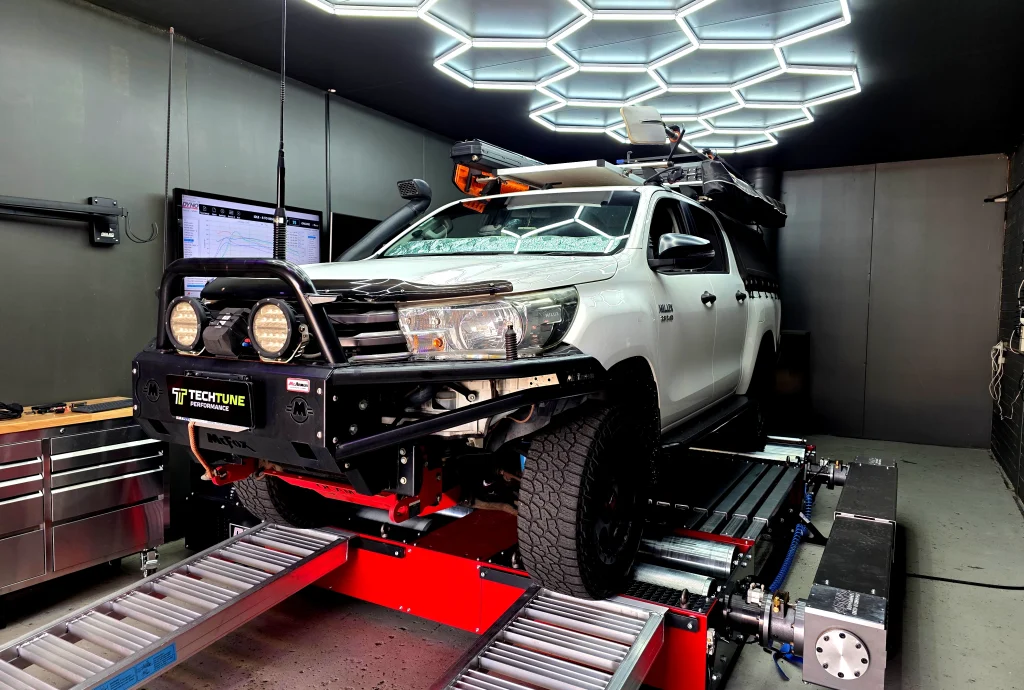
Every calibration is developed around your vehicle using controlled dyno load, live data logging and map-level validation before handover.
