

Image Source: HP Diesel.
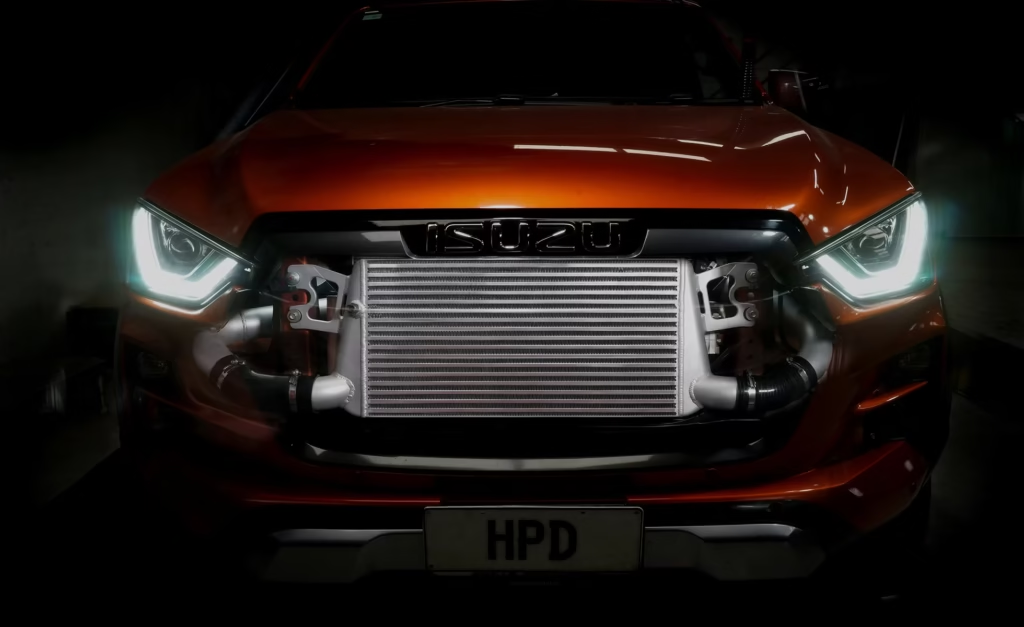
Adding an aftermarket intercooler when dyno tuning or remapping a diesel engine offers several advantages that can significantly enhance performance and reliability. Here are some key reasons:
An aftermarket intercooler provides better cooling of the intake air. Cooler air is denser, which means more oxygen molecules are available for combustion. This leads to a more efficient and powerful combustion process, improving overall engine performance.
2. Enhanced Power Output
By reducing the intake air temperature, an aftermarket intercooler allows for higher boost pressures and more aggressive tuning. This can result in significant gains in horsepower and torque, making the vehicle more responsive and powerful. Decreasing intake air temperatures, and sustaining cooler temperatures allows the vehicles ECU to continue to provide adequate fuel for power!
3. Increased Reliability and Longevity
Keeping the intake air temperature in check reduces thermal stress on engine components, such as pistons, valves, and the turbocharger. This can enhance the overall reliability and longevity of the engine, especially under high-performance conditions.
4. Consistent Performance
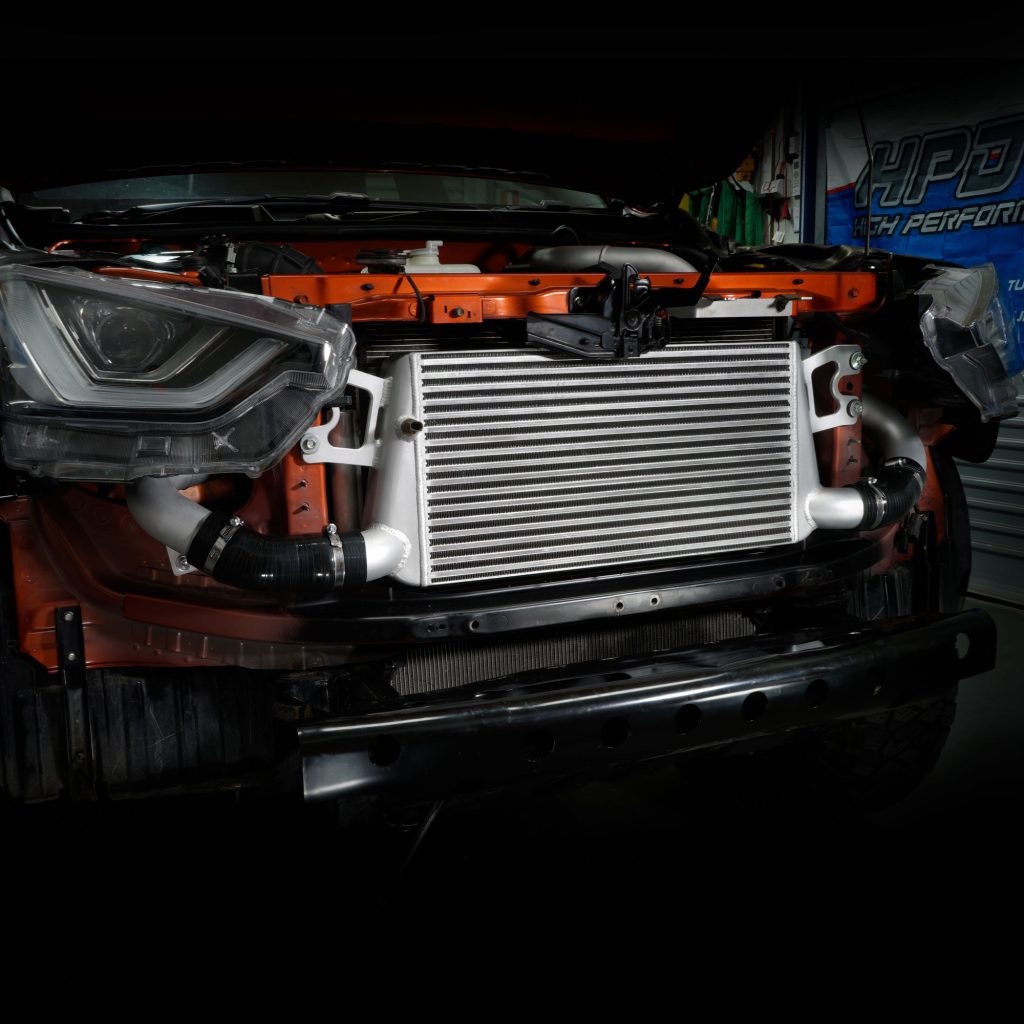
Stock intercoolers often suffer from heat soak during prolonged periods of high performance, leading to reduced efficiency. Aftermarket intercoolers typically have larger cores and more efficient designs, maintaining consistent performance even during extended periods of aggressive driving.
5 Better Fuel Efficiency
Improved combustion efficiency can lead to better fuel economy, as the engine can produce the same power with more efficient combustion. This can be particularly beneficial for diesel engines, which are often used in applications where fuel efficiency is critical.
6. Support for Future Upgrades
If you plan on further modifications in the future, such as a larger turbocharger or more aggressive remapping, an aftermarket intercooler provides the necessary headroom to handle increased power levels without compromising reliability.
By addressing the heat-related challenges associated with higher power outputs, an aftermarket intercooler becomes a valuable investment for anyone looking to maximize the benefits of dyno tuning or remapping their diesel engine.
Disclaimer:
Choosing the Right Aftermarket Intercooler
Not every aftermarket intercooler is created equal. When selecting one for your diesel, look at core size, pipe diameter and end tank design, since these determine how effectively the unit sheds heat under sustained boost. A properly sized aftermarket intercooler should match your tuning goals: a mild remap may only need a modest core upgrade, while an aggressive performance tune with higher boost pressures benefits from a larger, more efficient core to keep intake air temperatures stable.
Fitment is another key consideration. A quality aftermarket intercooler is designed to bolt into the factory location without cutting body panels or compromising ground clearance, and should use durable silicone hoses and quality clamps to handle the extra heat and pressure over the life of the vehicle.
If you’re planning a dyno tune or remap and want advice on whether an aftermarket intercooler suits your vehicle and goals, get in touch with our team or read more on our tuning services page.
Ready For A Properly Tested Tune?
Every calibration is developed around your vehicle using controlled dyno load, live data logging and map-level validation before handover.
